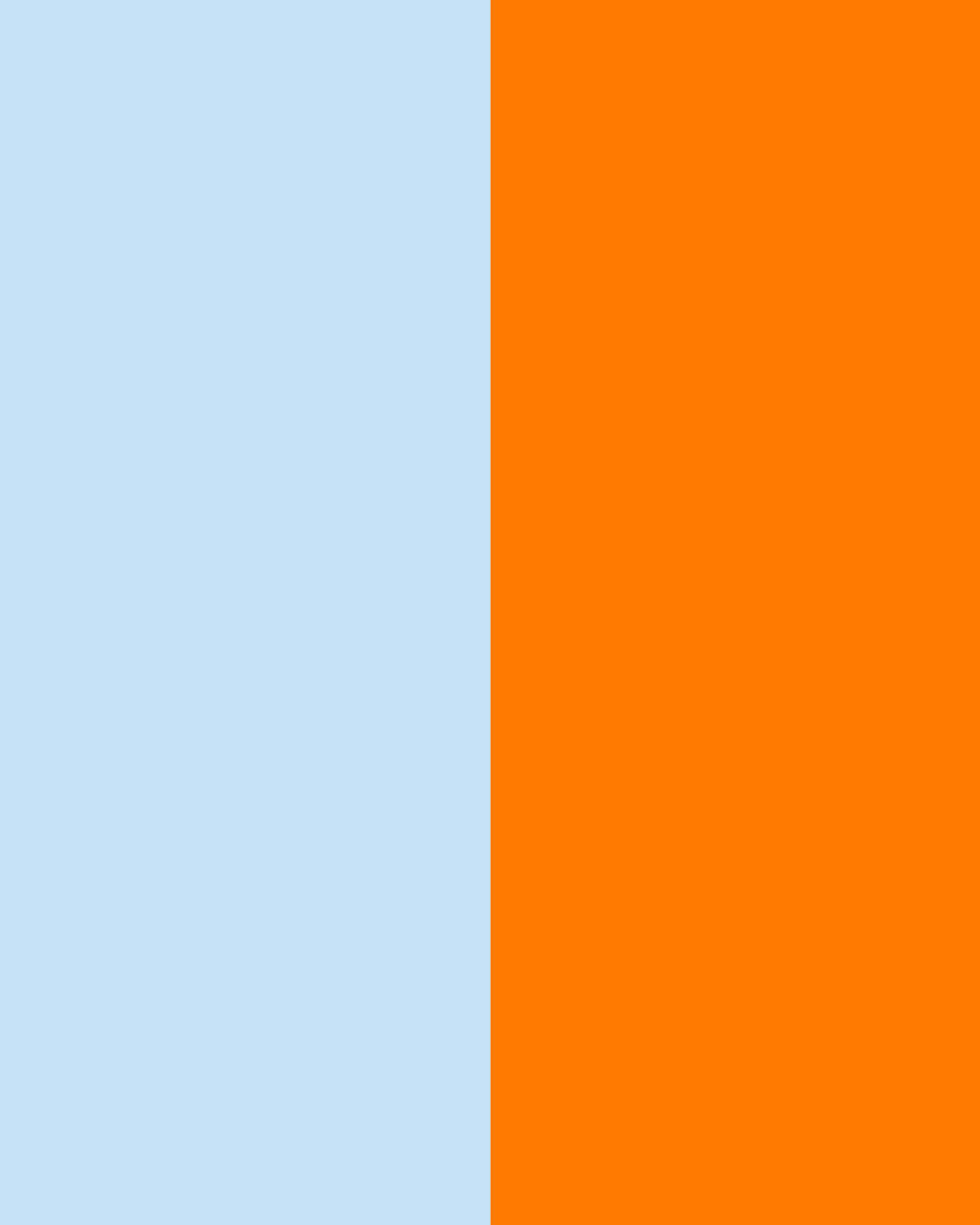
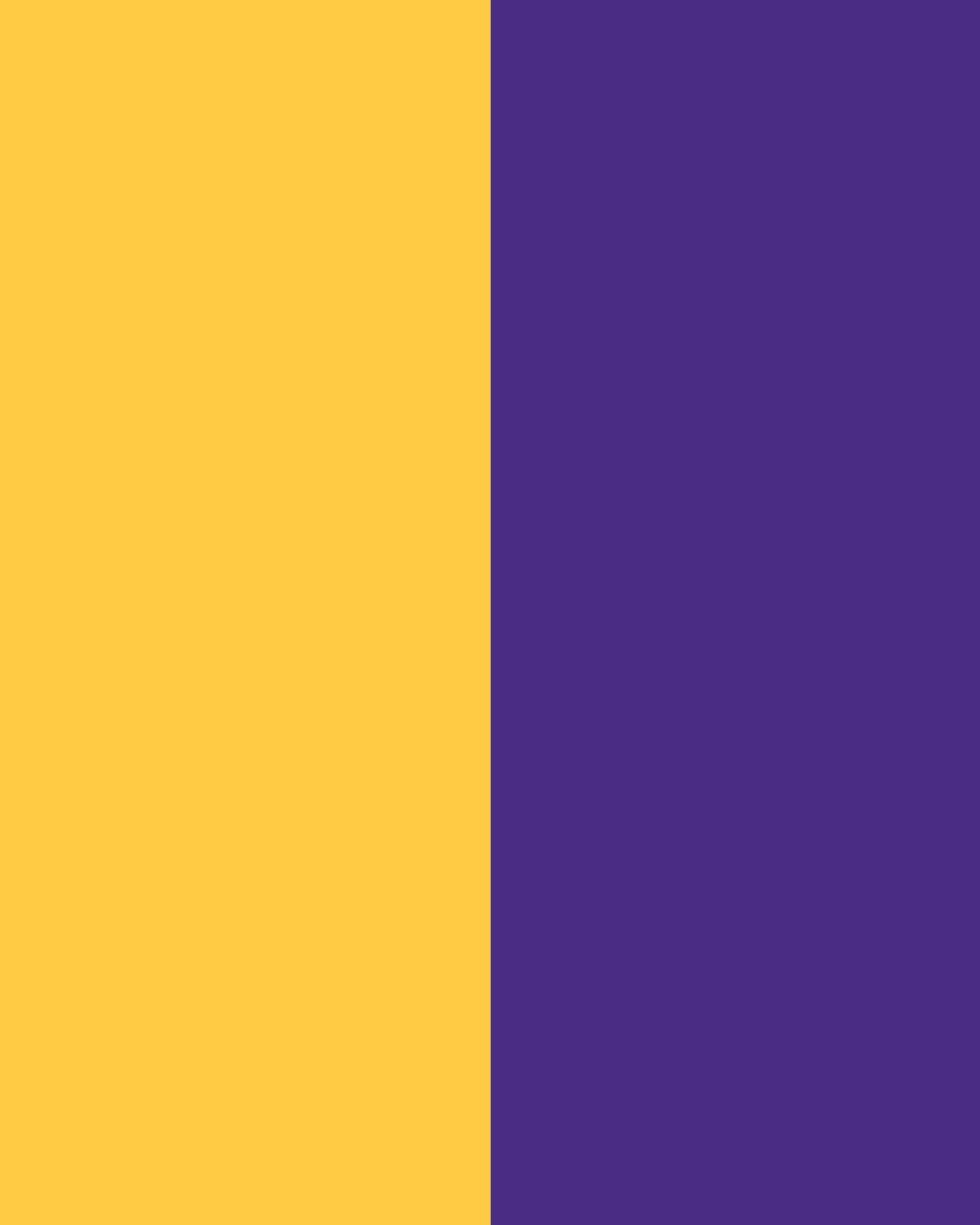
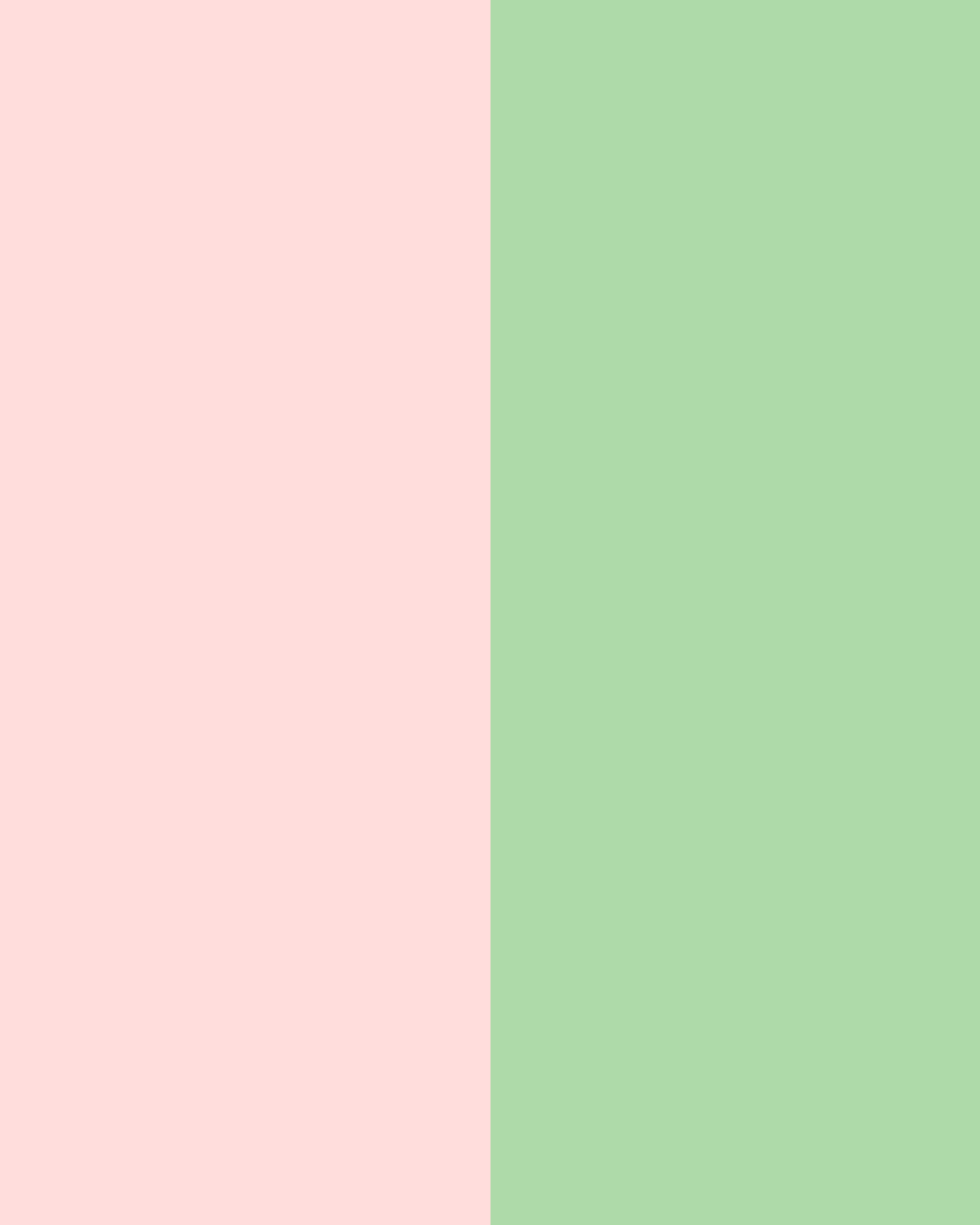
Not for choosing.
For seeing.

They won’t tell you what to pick.
They show how colour behaves.


colour

  • WHITE

    White opens space.

    White creates distance. It separates. It lets things breathe.

    Pure white sharpens. Off-white softens.

    White can make other colours jump. Push them forward. Or calm everything down.

    White can feel crisp. Or flat. Empty. Or slightly dull.

    White gives no place to hide.

    Friends: Off-whites. Warm neutrals.
    Lovers: Black. Deep tones.

  • BEIGE

    Beige calms.

    Beige is the exhale. It lowers contrast. It can remove tension.

    Beige can feel warm. Dry. Flat. Or dull. Almost nothing.

    Beige rarely insists. It goes along.

    Beige needs something to push against.

    Friends: Soft whites. Browns.
    Lovers: Sharp colours. Strong contrast.

  • GREY

    Grey shifts.

    Grey rarely leads. It edits.

    Grey takes colour from what surrounds it. It reads the room. It can feel warm. Or cold. Clean. Or slightly dirty.

    Grey can stabilise. Or drain everything. It can become static.

    Grey needs contrast. It needs a pulse.

    Friends: Nearly everything.
    Lovers: Strong contrast. Friction helps.

  • BLUE

    Blue is endless.

    Blue doesn’t push. It holds.

    Blue can feel calm. Distant. Clean. Cool. Reliable. Or turn sharp. Vibrant. Edgy.

    Blue can lower the energy. Or tighten everything up.

    Blue may not move first. But it can set the tone.

    Friends: Greens. Cool purples.
    Lovers: Orange. Red-oranges.

  • GREEN

    Green sits in between.

    Green soothes. It unifies. It pulls things together.

    Green can feel fresh. Light. Almost sharp. Or heavy. Muted. Thick.

    Green can bring balance. Or flatten everything.

    Too much green, and everything starts to blur.

    Friends: Yellows. Blue-greens.
    Lovers: Red.

  • Yellow

    Yellow radiates.

    Yellow can be butter or the sun. Soft. Warm. Almost quiet. Or sharp. Bright. Aggressive.

    Yellow pulls things up. But it can make other colours look dull. Washed out. Faded.

    Pure yellow is dominant. It takes light and gives it back. Overheated. Tiring.

    Yellow needs something to hold it.

    Friends: Warm neutrals. Oranges.
    Lovers: Purple. Deep blues.

  • Orange

    Orange glows.

    Orange invites. It pulls things closer.

    Orange can be deep. Earthy. Or sharp. Neon. Intrusive.

    Pure orange is loud. It claims space.

    Too much orange can feel cheap. Noisy. Restless.

    Orange steals focus from the subtle.

    Friends: Warm yellows. Reds.
    Lovers: Blue. Deep navy.

  • Red

    Red is bold. Energetic. Hard to ignore.

    Red can feel warm. Direct. Urgent. Or deep. Thick. Reduced.

    Red adds energy fast. Or takes over just as quickly.

    Too much red overwhelms. A little red goes far.

    Red changes the balance instantly.

    Friends: Orange. Pink. Warm yellows.
    Lovers: Cool greens. Muted greens.

  • Pink

    Pink softens.

    Pink reduces contrast. It takes the edge off.

    Pink can feel light. Airy. Almost neutral. Or sharp. Hot. Rebellious.

    Pure pink is loud. Energetic. Pushy. Too much pink gets sugary.

    Pink needs a counterweight.

    Friends: Purples. Reds. Clean whites.
    Lovers: Yellow-greens. Dark neutrals.

  • Purple

    Purple deepens.

    Purple holds weight. It doesn’t rush.

    Purple can feel gentle. Soft. Quiet. Or rich. Mysterious. Almost unreal.

    Purple can turn dark. Intense. Dramatic.

    Too much purple gets dense. It can swallow the light around it.

    Purple needs air. It needs room to breathe.

    Friends: Blues. Pinks. Muted greys.
    Lovers: Yellow. Warm yellows.

  • Brown

    Brown grounds.

    Brown doesn’t shout. It holds without pulling focus.

    Brown can feel quiet. Reliable. Simple. Honest.

    It can bring things together. Or pull the energy down.

    Brown is social. It makes other colours look good.

    Brown needs light. It needs a spark.

    Friends: Soft creams. Reds. Yellows.
    Lovers: Blue. Cool tones.

  • Black

    Black defines.

    Black sharpens. It draws the line. It claims the edge.

    Black can feel strong. Controlled. Heavy. Harsh. Unforgiving.

    Pure black is silent. It takes the light and keeps it.

    Black can bring clarity. Or shut things down.

    Black needs space to work.

    Friends: Whites. Greys. Deep tones.
    Lovers: High contrast colours.


PERSPECTIVE

Colours don’t stay the same.
They shift next to each other.
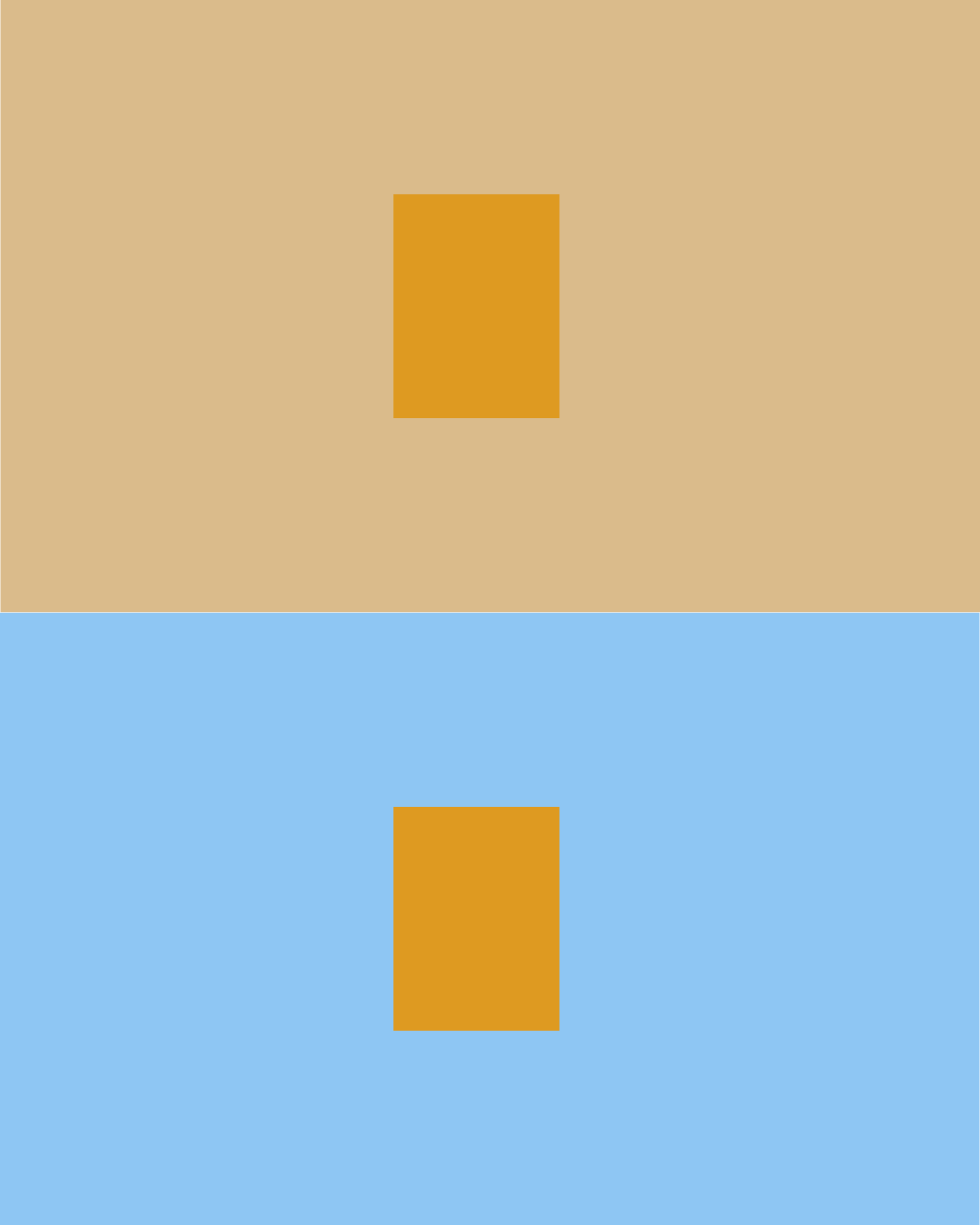
Same colour. It shifts.

FRIENDS settle.
They calm.

LOVERS won’t settle.
They push.

Soft tones lift.
Strong colour adds weight.

It expands.

More.

Less. It contracts.

Some colours hold.

Others push.


MEETING

Edges are decisions. When sides meet, they react.

LOVERS sharpen the edge.
They vibrate. They pull apart.

FRIENDS soften the edge.
They bleed. They stay close.

Watch the edges.

High contrast draws a line.

Low contrast builds volume.

The top meets them all.
It anchors.
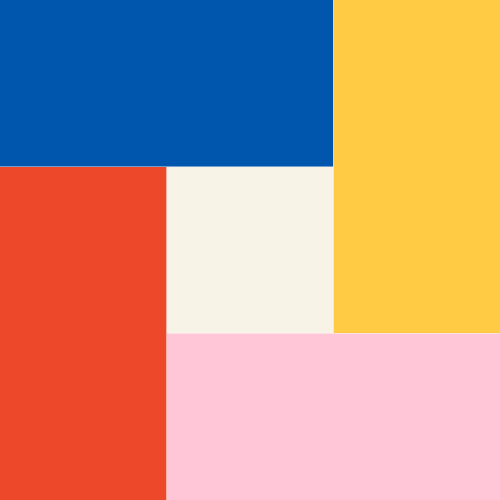
It can hold the sides together.
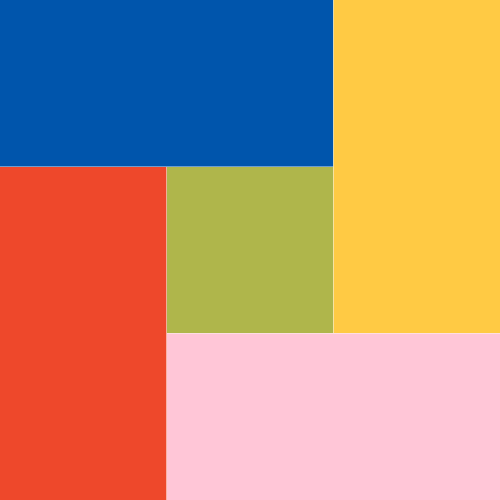
Or pull them apart.


tension

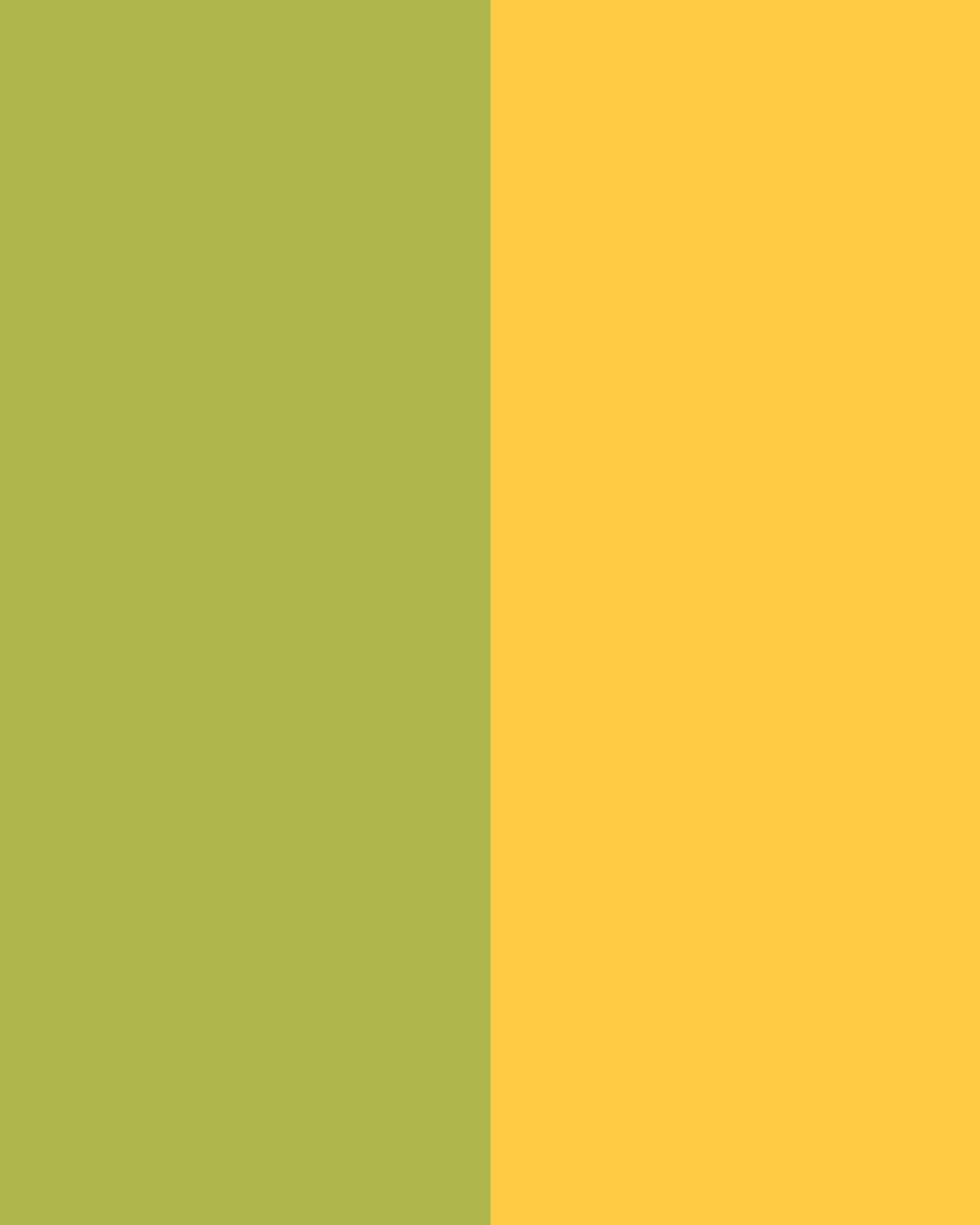
Opposites attract.
In different ways.

Some amplify each other. Like LOVERS. Others clash.

Some colours are easy to love.

But too much ease can feel static. Dead.

Other colours resist.

They don’t settle.
They add edge. Friction.
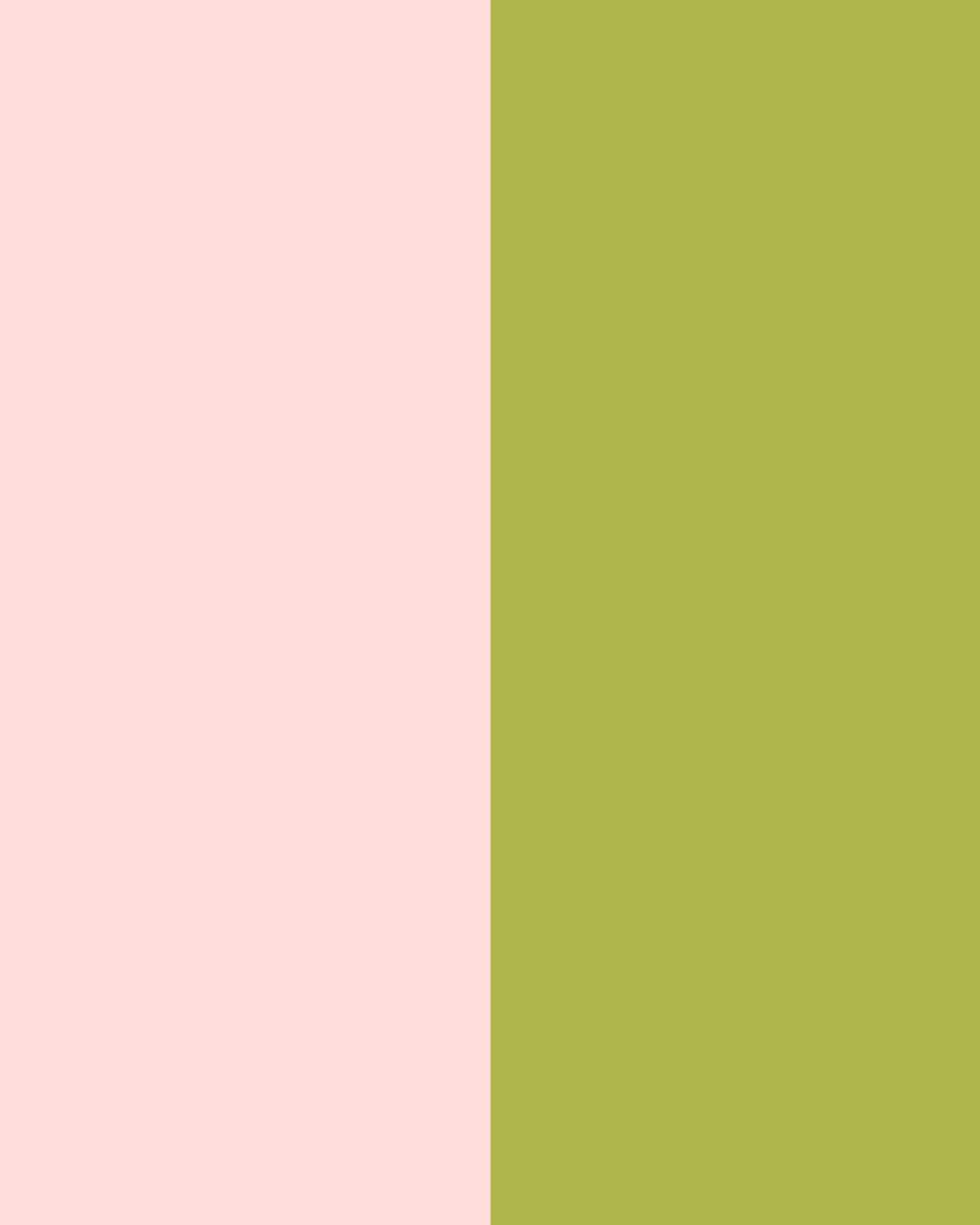
Friction can make the object feel alive.

Or break it.

CONTEXT

Colours don’t stay the same.

Scale shifts colour.

A colour that feels intense on a wall can soften on a smaller object.

Light shifts them.

A colour can feel clean on screen.

But wash out in daylight.

Texture can soften or sharpen.
Gloss lifts or flattens.
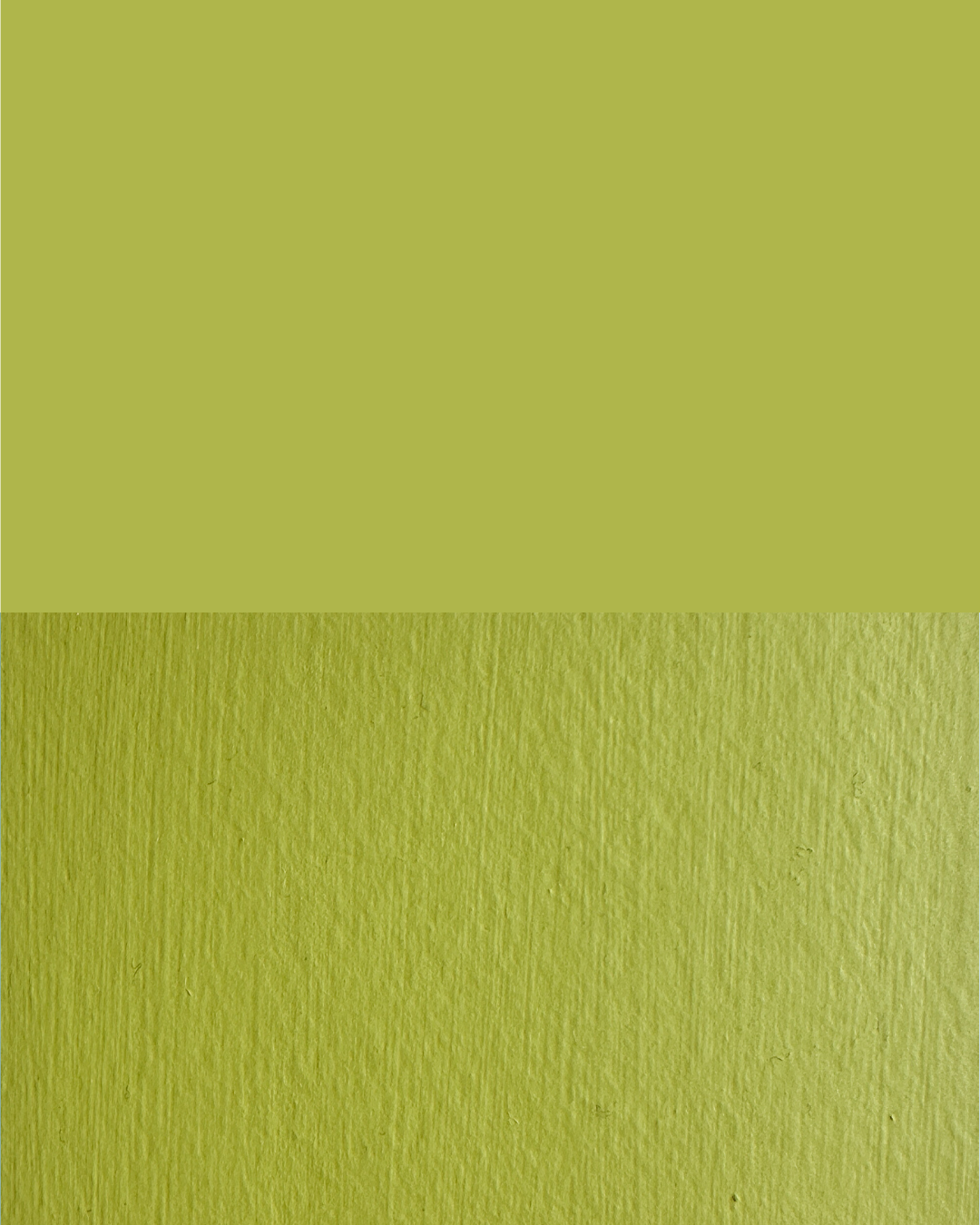
Screens never tell the full story.